Unlocking Precision: Addressing Stress Singularities Through Local Mesh Refinement
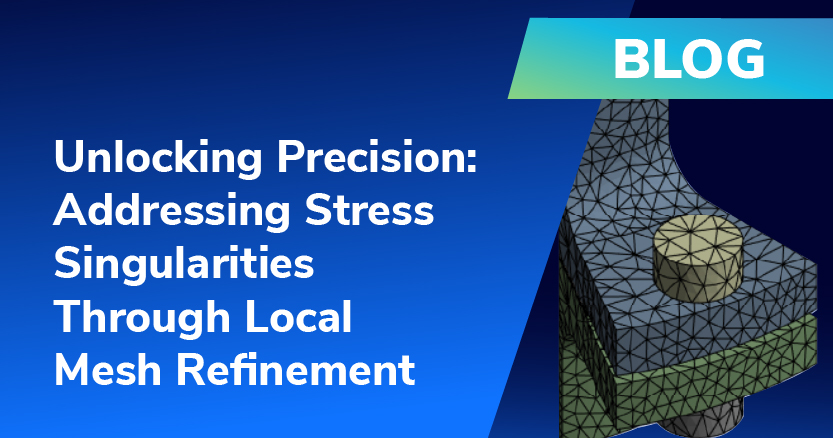
In this blog, explore how mesh refinement works, its role in overcoming stress singularities, and best practices for implementing it in your simulations.
The Future of Autonomous Systems Testing: Trends and How Ansys AVxcelerate Fits In
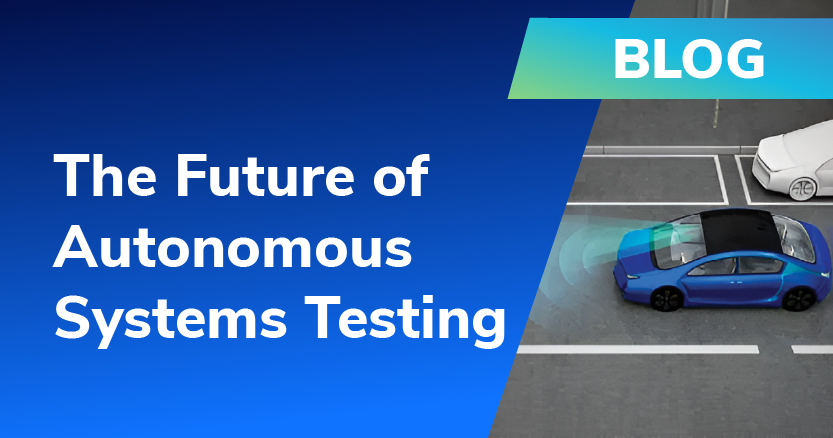
Explore the future of AV testing, trends in L2+ autonomy, and how Ansys AVxcelerate sensors ensures real-world validation through physics-based sensor simulation.
Thermal Management of EV Power Electronics
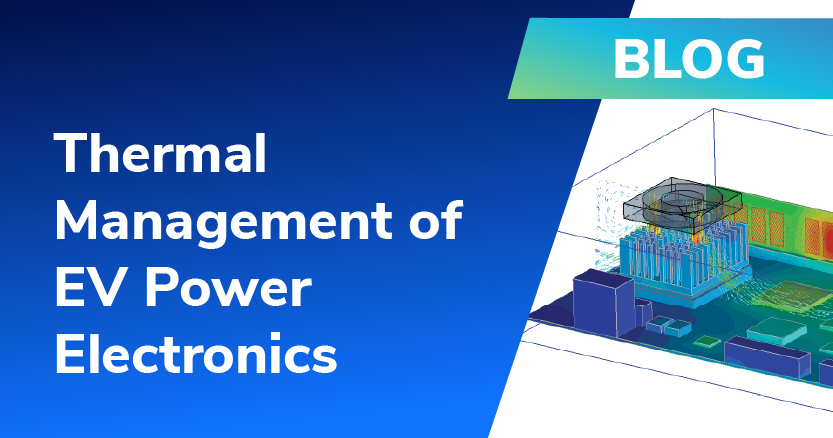
This blog explores key EV components, including electronic control units, power components, PCBs, wiring, charging connectors, and busbars, before delving into strategies for managing heat.
Theory and Simulation of Optical Waveguides in Ansys Lumerical
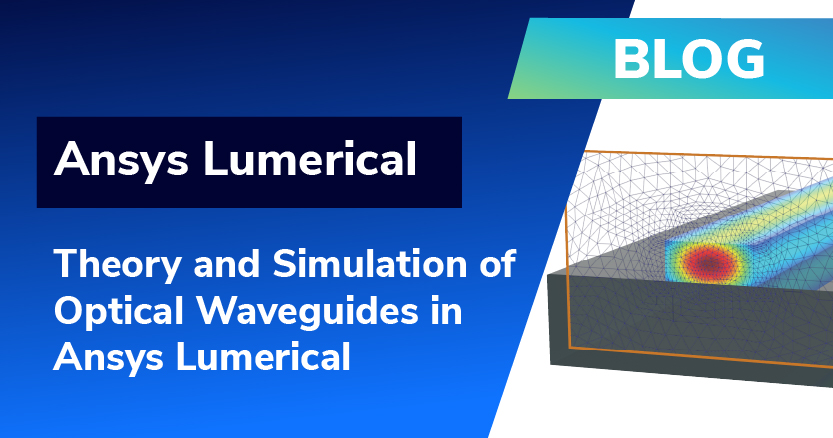
This blog explores the theoretical background of optical waveguides and demonstrates how to simulate them using Ansys Lumerical MODE and Finite-Difference Time-Domain (FDTD) solvers.
Enhancing Structural Analysis Accuracy with Geometry-Based Adaptivity in FEA
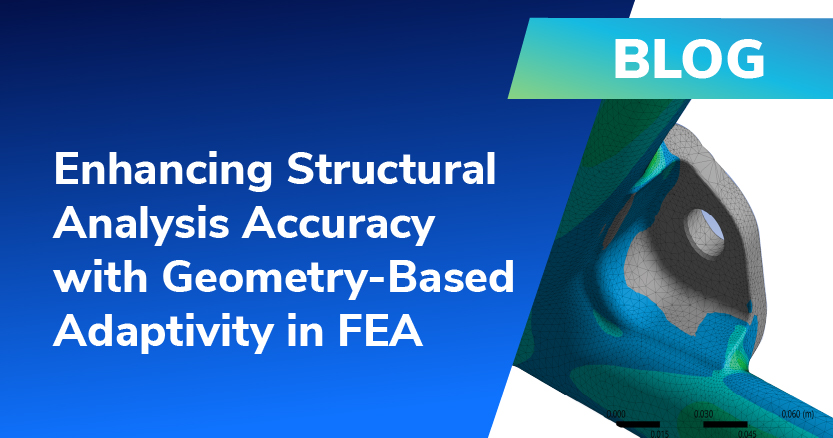
Finite Element Analysis (FEA) is a powerful numerical method used to solve complex engineering problems involving intricate geometries
Enhancing Pilot Comfort and Safety With Advanced Optical Simulations In Ansys SPEOS
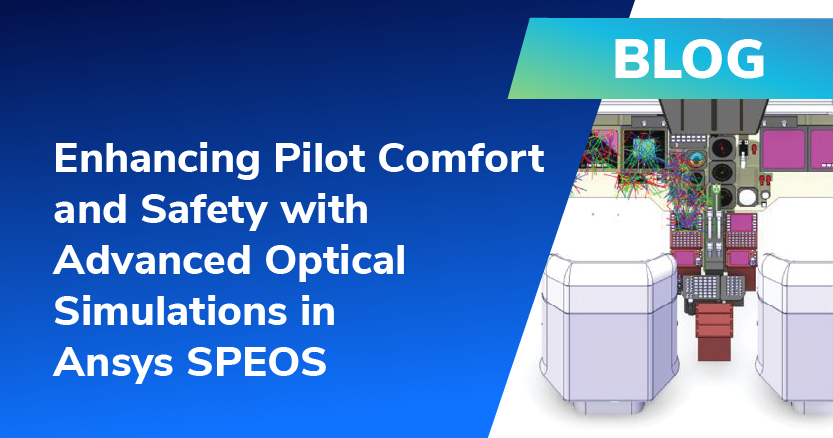
Even pedestrians are familiar with how distracting glare from the sun, headlights of oncoming vehicles, or reflections from wet surfaces can be.
Ansys Concept EV: Optimizing Next-Generation EV Powertrains
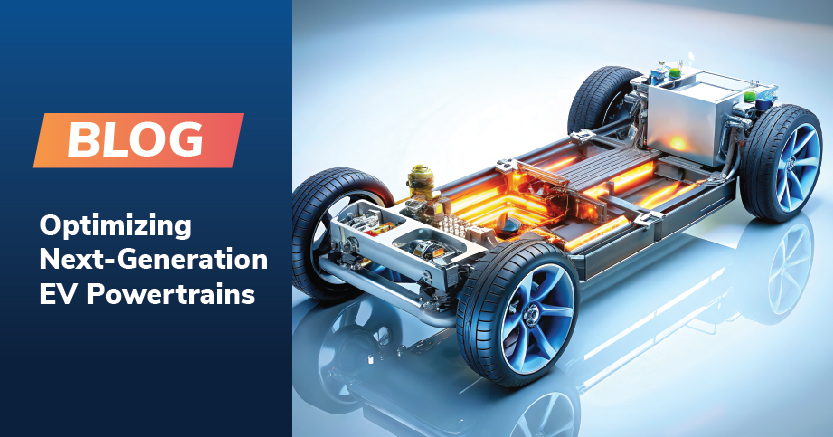
As the automotive industry accelerates its transition to electric mobility, the demand for efficient and high-performance electric vehicle (EV) powertrains is growing exponentially.
High Fidelity Antenna Design For Advanced Mission Modelling
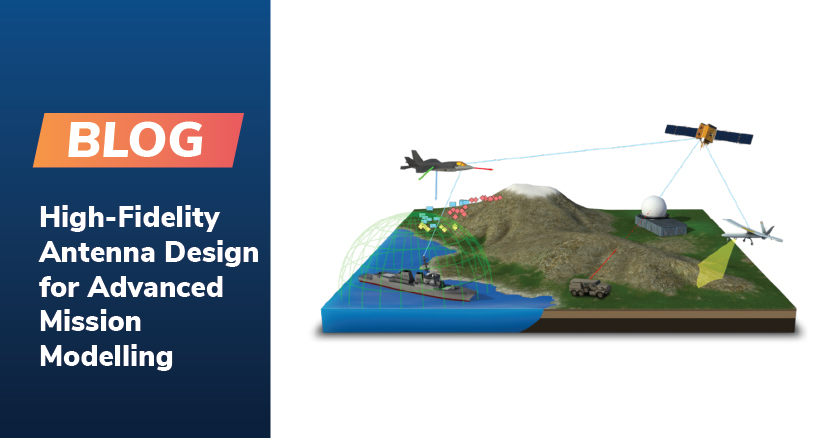
Antenna design is critical to next-generation communication systems, ensuring optimal performance in extreme environments like space, battlefields, and dense urban areas.
Simulating Safe Landing a Deep Dive Into Parachute Inflation and Float With LS-DYNA
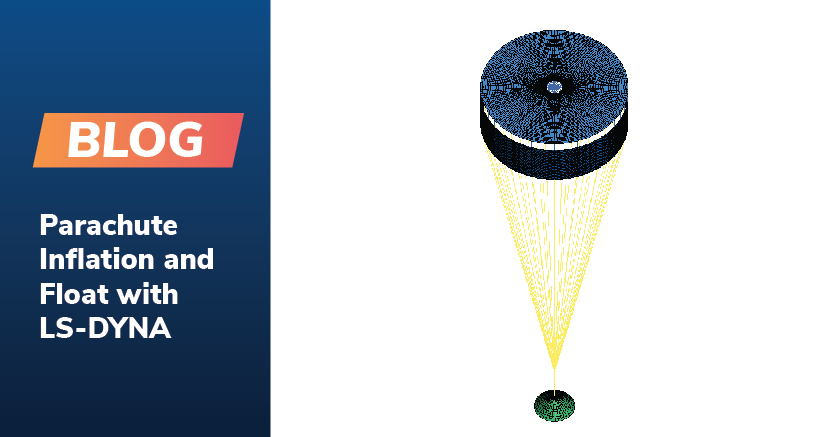
Parachutes are crucial aerodynamic decelerators in airdrop and planetary reentry missions, where their inflation dynamics involve significant fluid-structure interaction (FSI) phenomena.
Theory vs. Simulation: Exploring Diffraction Through a Circular Aperture
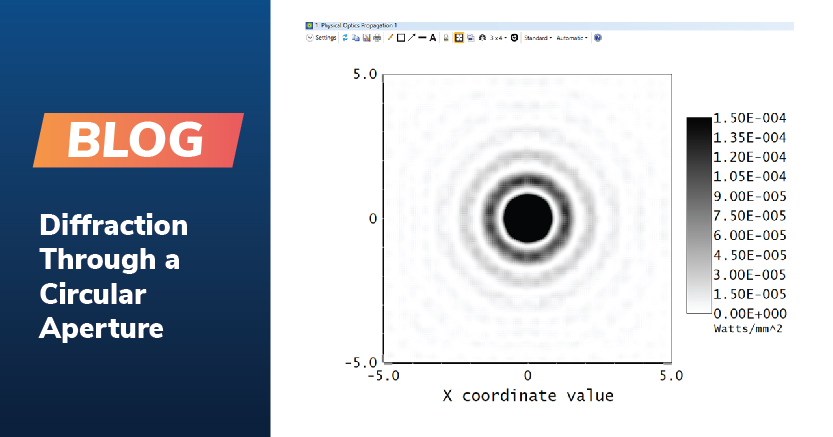
Diffraction is a fundamental optical phenomenon that occurs when light interacts with an obstacle or aperture, bending and spreading rather than traveling in a straight line.