
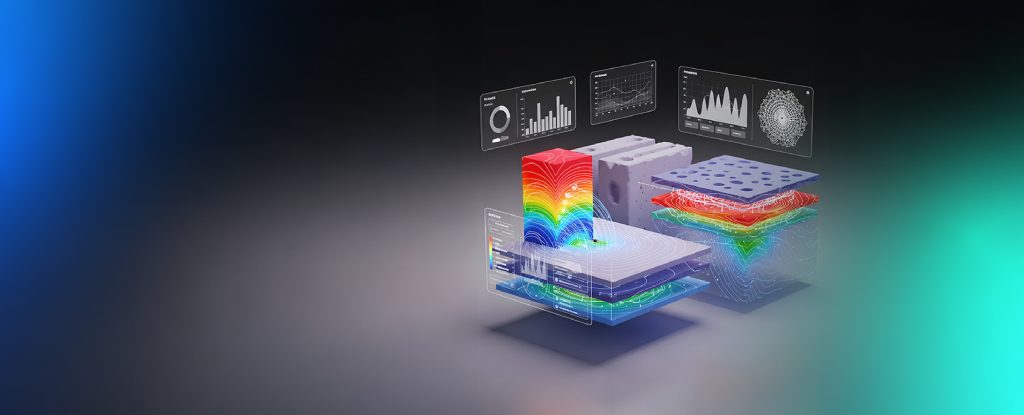
In today’s engineering landscape , the demand for stronger, lighter, and more resilient systems is greater than ever. From protecting critical infrastructure to ensuring the performance of advanced systems, engineers face the dual challenge of designing for maximum effectiveness while reducing cost, risk, and development time. Traditional test-fail-repeat cycles, while effective, are often expensive, time-consuming, and limited in scope.
In penetration studies design of RCC structures, simulation helps evaluate:
By iterating virtually, simulation engineers can design lighter yet stronger structural enclosures and protective systems, ensuring they withstand varied operating conditions while optimizing material efficiency
This partnership ensures that simulation engineers not only adopt cutting-edge tools but also gain the know-how to extract maximum value, accelerating innovation while reducing development risks.
Engineering the Future of Advanced, Critical Systems
The future of engineering technology lies in digital engineering and simulation-driven design. Penetration performance studies, Design of RCC structures and high-strength composite plates are just one example of how simulation helps engineers balance innovation, performance, cost, and safety.
By empowering teams to model, validate, and optimize in a virtual environment, Ansys and CADFEM are redefining the critical engineering landscape—ensuring India and global innovation ecosystems are prepared for the challenges of tomorrow
Related Blogs