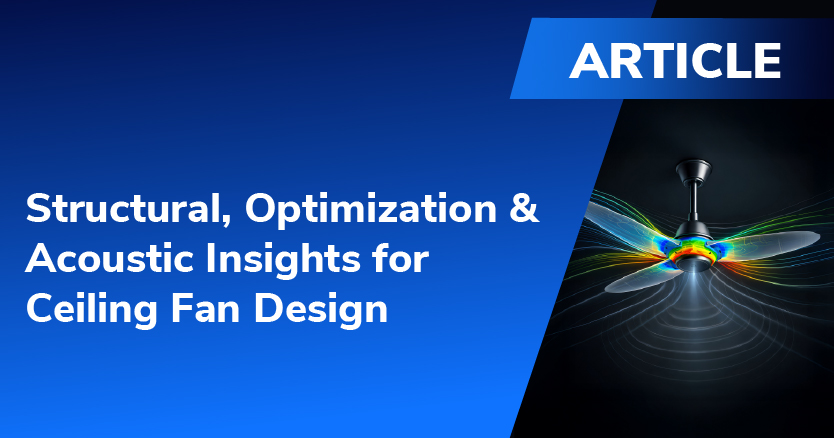
In Part 1 of this blog series, we explored how simulation using Ansys Fluent enables accurate airflow prediction and IS 374-compliant performance assessment for ceiling fans —
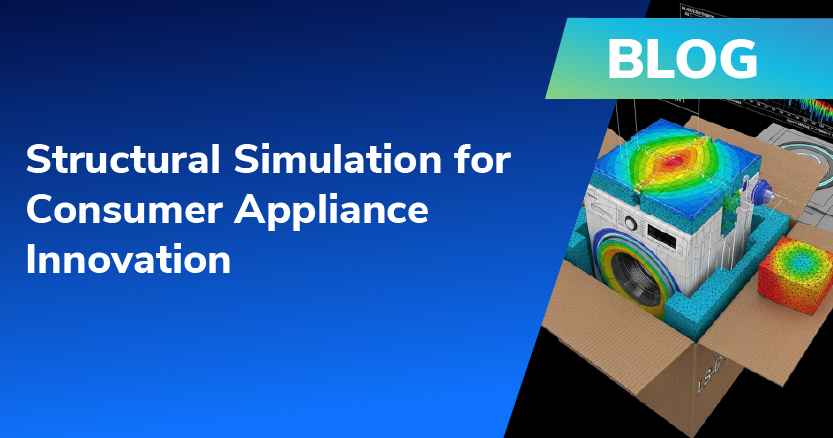
Every year, millions of appliances—refrigerators, washing machines, televisions, air coolers, and more—travel thousands of kilometers through complex supply chains.
Ever wondered why your washing machine doesn’t shake itself across the room, how a refrigerator door survives years of opening and closing, or why a dishwasher frame remains perfectly sealed under high-temperature cycles?
The consumer electronics industry is moving at a pace we’ve never seen before. Think about what sits in our homes and pockets today - wearables that track our health, wireless chargers that eliminate cables, compact appliances
Permanent magnets lie at the heart of modern electromechanical systems—from electric vehicles and wind turbines to MRI machines and high-speed actuators.
Ceiling fans remain one of the most widely used air ventilation solutions in households due to their energy efficiency compared to air conditioning systems.
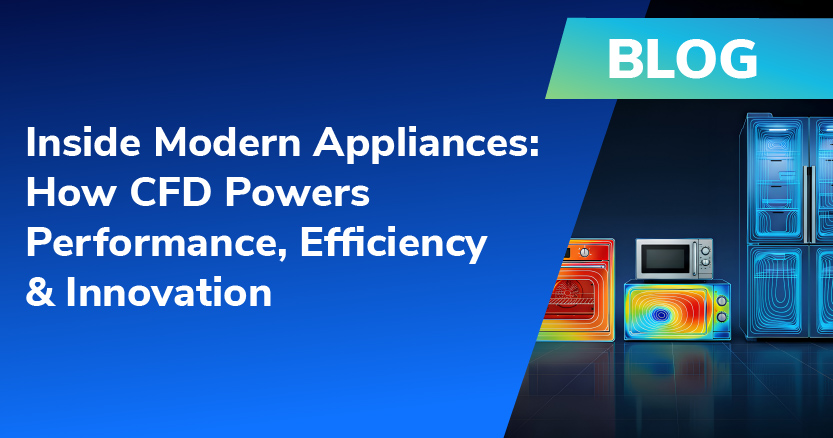
Ensuring products remain within strict temperature ranges throughout transport and storage is a complex challenge, and this is where Ansys Fluent emerges as a game-changer.